Source reliable excavator chassis support for mining, construction, and marine use
Find reliable excavator chassis support components from 30 verified listings. Buyers can compare specifications, certifications, and pricing for crawler excavators used in mining, construction, and marine applications.
Key considerations
Products List


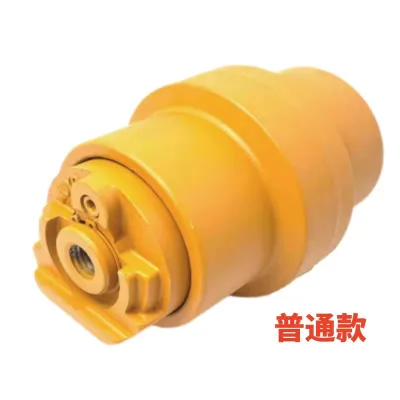


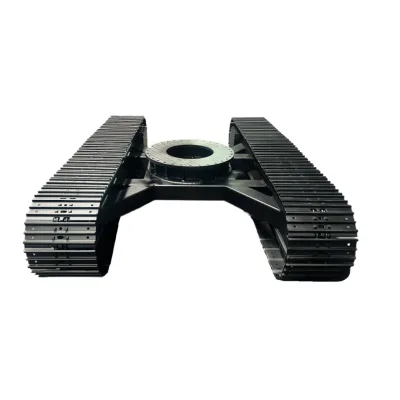
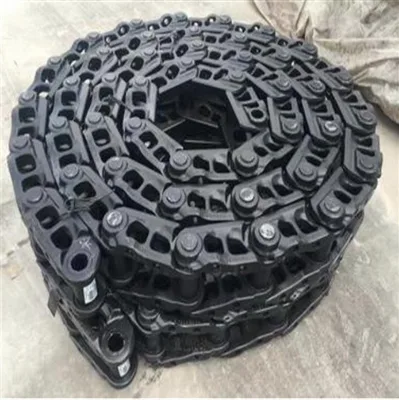

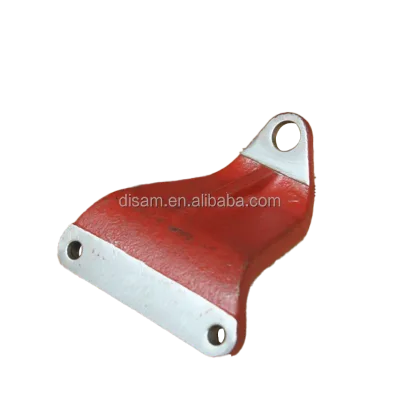


Comprehensive Sourcing Guide
Strategic Sourcing Guide for Reliable Excavator Chassis Support
Understanding the Technical Landscape of Excavator Chassis Components
When sourcing reliable excavator chassis support, buyers must first distinguish between the structural undercarriage components and the functional attachments that interact with the ground. The core keyword "reliable excavator chassis support" often encompasses a broad spectrum of parts, ranging from the fundamental tracks and rollers to specialized bucket mechanisms that provide the necessary leverage and stability during operation. Based on current market observations, these components are frequently categorized under "Excavator Parts" with specific applications targeting heavy-duty environments such as mining, marine operations, and general construction.
The technical specifications for these components vary significantly depending on the intended machine class. For instance, suitable excavator models for specific support components can range from 1.5 to 4 tons, indicating that a single part may not be universally compatible across all machine sizes. Buyers should verify the overall dimensions of the chassis support or related attachments, as observed data includes specific measurements such as an overall length of 388mm, an overall height of 246mm, and an overall width of 175mm. These precise dimensions are critical for ensuring that the replacement part fits the existing mounting points without requiring extensive modification. Furthermore, the transmission type is a vital technical differentiator; reliable chassis supports are often paired with mechanical transmission systems and internal combustion drives, which dictate the torque and load-bearing capacity required for stable operation.
Material composition is another paramount technical factor. The durability of a chassis support is directly linked to the materials used in its construction. Market data indicates that high-quality components are often manufactured from a combination of steel and rubber. This hybrid approach leverages the tensile strength of steel for structural integrity while utilizing rubber for shock absorption and traction. The manufacturing process plays a significant role in the final product's reliability. Components are typically produced through forging or casting processes, which determine the grain structure and density of the metal. Forging generally offers superior strength for high-stress areas, while casting allows for complex geometries. Buyers must ensure that the specific component they are purchasing aligns with the required manufacturing method for their specific operational demands.
Compliance, Certification, and Quality Assurance Protocols
In the global B2B market, compliance and certification serve as the primary indicators of a supplier's reliability and the product's adherence to international safety and quality standards. For excavator parts, particularly those involved in load-bearing applications, certifications are not merely optional but essential for risk mitigation. The most frequently observed certifications for these components include CE and ISO9001. The CE mark indicates conformity with health, safety, and environmental protection standards for products sold within the European Economic Area, while ISO9001 certification validates that the manufacturer has a robust quality management system in place.
When evaluating a supplier, buyers should verify that the certification status explicitly states the condition of the product, such as "New," to ensure that the parts are not refurbished or used items misrepresented as new. The presence of an ISO9001 certification suggests that the manufacturing process is standardized and monitored, which is crucial for maintaining consistency in load-bearing capabilities. Additionally, the product standard itself is often customizable, meaning that while a baseline standard exists, it can be adapted to meet specific client requirements. However, buyers must confirm that any customization does not compromise the fundamental safety standards required for heavy machinery operation.
Quality assurance extends beyond paper certifications to the tangible attributes of the product. High-quality excavator parts are characterized by their ability to withstand rigorous operational conditions. The keyword "load-bearing" is a critical descriptor, implying that the component is designed to support significant weight and dynamic forces. Buyers should look for explicit statements regarding the quality level, such as "High-Quality," but should also demand evidence of this claim through technical data sheets or third-party test results. The warranty period is another tangible metric of quality; a standard warranty of 3 months is observed in the market, which serves as a baseline guarantee of the manufacturer's confidence in their product. However, for critical chassis components, buyers may need to negotiate extended warranty terms or seek suppliers who offer video technical support as an after-warranty service to assist with troubleshooting and installation.
Cost Drivers and Pricing Dynamics in the Excavator Parts Market
The pricing of excavator chassis support components is influenced by a complex interplay of factors, including material costs, manufacturing complexity, customization requirements, and logistical expenses. The observed price range in the market is vast, spanning from $0.90 to $65,770 USD. This wide disparity highlights the difference between small, replaceable wear parts and large, custom-engineered structural assemblies. For a buyer researching "reliable excavator chassis support," it is essential to understand that the lowest price does not necessarily equate to the best value, especially when the component is critical for the safety and stability of the machine.
Material costs are a primary driver of price. Components made from high-grade steel and specialized rubber compounds will inherently cost more than those made from standard materials. The manufacturing process also impacts the final price; forging is typically more expensive than casting due to the higher energy consumption and equipment requirements, but it often yields a stronger product. Customization is another significant cost factor. While many suppliers offer OEM/ODM services and accept custom orders, the ability to customize the product standard, color, or dimensions adds to the production time and cost. Buyers should be prepared for a price premium if they require specific dimensions, such as the 388mm length or 246mm height observed in certain models, or if they need the product to be compatible with specific brands like Wirtgen, Sany, Sandvik, CNH, Hyundai, Volvo, JCB, XCMG, or other manufacturers.
Logistics and packaging also contribute to the overall cost. The observed packing methods include paperboard boxes, wooden pallets, export packages, and standard export packing. The choice of packaging depends on the size and weight of the component. For large chassis parts, wooden pallets are often necessary to prevent damage during transit, which adds to the shipping cost. Furthermore, the lead time, typically ranging from 7 to 15 days, can influence pricing. Expedited shipping or rush orders may incur additional fees. Buyers should also consider the Minimum Order Quantity (MOQ) requirements, which range from 1 unit to 1000 units. While some suppliers offer an MOQ of just one unit per style, bulk orders often result in a lower unit price. Understanding these cost drivers allows buyers to budget effectively and negotiate better terms with suppliers.
Typical Applications and Compatibility Requirements
The versatility of excavator chassis support components is evident in their wide range of applications. These parts are designed to function in diverse environments, including general construction, mining, marine operations, and specialized excavation tasks. The compatibility of a chassis support component is a critical factor in its selection. The market data indicates that these parts are compatible with a broad spectrum of excavator brands, including Wirtgen, Sany, Sandvik, CNH, Hyundai, Volvo, JCB, XCMG, and others. This broad compatibility suggests that many components are designed with universal mounting standards, though buyers must still verify the specific model number and dimensions to ensure a perfect fit.
The type of excavator is another key consideration. The observed data points to "Crawler Excavator" as a primary type, which relies heavily on the stability and durability of its chassis support. The bucket capacity, ranging from 0.5 to 1.0 cubic meters, is also a relevant specification, as the load-bearing capacity of the chassis must match the digging force generated by the bucket. For smaller machines, such as those in the 1.5 to 4-ton range, the chassis support must be lightweight yet strong enough to handle the dynamic loads of frequent operation. In contrast, larger mining excavators require robust support systems capable of withstanding extreme stress and heavy loads.
The transmission and drive type also influence the application. Mechanical transmission and internal combustion drive systems are common, and the chassis support must be designed to integrate seamlessly with these systems. The bucket type, such as a grab shovel, also affects the operational dynamics, as different bucket designs exert varying forces on the chassis. Buyers should carefully assess the specific usage requirements of their fleet, considering factors such as the terrain, the frequency of operation, and the type of material being excavated. A component that performs well in a marine environment may not be suitable for a mining operation due to differences in corrosion resistance and load requirements.
Supplier Evaluation and Procurement Strategy
Selecting the right supplier is a critical step in ensuring the reliability of excavator chassis support components. Buyers should evaluate suppliers based on their ability to provide high-quality products, their compliance with international standards, and their capacity to meet delivery timelines. The observed production locations, such as Fujian and Shandong in China, indicate that many suppliers are concentrated in these regions, which are known for their manufacturing capabilities. However, buyers should not rely solely on geographic location; instead, they should focus on the supplier's track record, certifications, and customer service.
Key criteria for supplier evaluation include the availability of customization services, the range of OEM/ODM options, and the quality of after-sales support. Suppliers that offer video technical support as an after-warranty service demonstrate a commitment to customer satisfaction and product reliability. Additionally, the ability to provide detailed product specifications, such as the model number (e.g., HF08, UT001, UTQH-5X24B, UT, 04), is essential for ensuring that the correct part is selected. Buyers should also verify the supplier's capacity to handle different order sizes, as the MOQ can vary from 1 unit to 1000 units.
When negotiating with suppliers, buyers should clarify the delivery time, which is typically 7 to 15 days, and discuss any potential delays that could arise from customization or high demand. It is also important to establish clear communication channels for addressing any issues that may arise during the procurement process. Buyers should request samples or test results to verify the quality of the product before placing a large order. By conducting thorough due diligence and maintaining open communication, buyers can build strong relationships with reliable suppliers and ensure a steady supply of high-quality excavator chassis support components.
Long-Term Procurement Considerations and Maintenance
Sourcing excavator chassis support components is not a one-time transaction but a long-term strategy that requires careful planning and ongoing management. Buyers should consider the lifecycle of the components, including their expected service life, maintenance requirements, and the availability of replacement parts. The warranty period, typically 3 months, provides a baseline for product reliability, but buyers should also consider the long-term costs associated with maintenance and replacement. High-quality components that are properly maintained can significantly reduce downtime and operational costs over time.
Maintenance is a critical aspect of long-term procurement. Buyers should establish a regular inspection schedule to check for wear and tear on the chassis support components. This includes monitoring the condition of the steel and rubber materials, as well as the integrity of the forging or casting processes. Any signs of damage or wear should be addressed immediately to prevent further deterioration and potential safety hazards. Additionally, buyers should keep a record of the components' performance and maintenance history to identify any recurring issues or patterns that may indicate a need for supplier changes or design improvements.
The availability of spare parts is another important consideration. Buyers should ensure that the supplier can provide a steady supply of replacement parts to minimize downtime. This includes verifying the supplier's inventory levels and their ability to fulfill orders quickly. Customization options, such as the ability to customize the product standard or color, can also be beneficial for long-term procurement, as they allow buyers to tailor the components to their specific needs and preferences. By adopting a proactive approach to maintenance and procurement, buyers can ensure the long-term reliability and performance of their excavator fleet.
FAQs
What certifications do reliable excavator chassis support parts have?
These parts typically hold CE and ISO9001 certifications to ensure safety and quality management. The product condition is verified as new, and the manufacturing process often involves forging or casting to meet load-bearing requirements.
Which excavator brands are compatible with these chassis support components?
The components are compatible with major brands including Wirtgen, Sany, Sandvik, CNH, Hyundai, Volvo, JCB, and XCMG. Buyers should verify specific model numbers like HF08 or UT001 to ensure a proper fit for their machine.
How long is the delivery time for these excavator parts?
The standard delivery time ranges from 7 to 15 days for most orders. This timeline applies to parts sourced from Fujian or Shandong, China, and may vary based on customization needs or specific packaging requirements.
Can I customize the color and specifications of these parts?
Yes, customization is available for color and product standards to meet specific client needs. Suppliers accept OEM and ODM requests, allowing for adjustments in dimensions such as length, width, and height to match exact operational requirements.
What is the minimum order quantity for these excavator chassis supports?
The minimum order quantity can be as low as one unit per style, though some listings specify a baseline of 20 units. Bulk orders often reduce the unit price, with the observed range extending up to 1000 units for larger procurement needs.
What warranty period is provided for these high-quality parts?
A standard warranty of 3 months is typically provided for these new condition parts. After the warranty expires, buyers can access video technical support to assist with troubleshooting, installation, or maintenance issues.
How are these excavator parts packaged for export?
Parts are packaged using paperboard boxes, wooden pallets, or standard export packages depending on size. This ensures protection during transit, especially for heavy steel and rubber components used in load-bearing applications.